The Growing Importance of RFID in Modern Industries
Radio Frequency Identification (RFID) has revolutionized industries by enabling real-time visibility, asset management, and automation. While many organizations adopt smartphone RFID readers for mobility and convenience, fixed RFID readers offer continuous and large-scale monitoring that is essential for warehouses, transportation hubs, healthcare institutions, and retail operations. Invengo, a global leader in RFID and IoT solutions with more than 20 years of expertise, integrates both mobile and fixed reader technologies, ensuring that businesses can achieve reliable and scalable digital transformation.
Mobile vs. Fixed RFID Readers: Choosing the Right Tool for the Task
Smartphone RFID readers are designed for mobility, allowing staff to verify items on the move, perform spot checks, or manage smaller-scale operations. These devices are particularly valuable in retail or healthcare settings where flexibility is a priority.
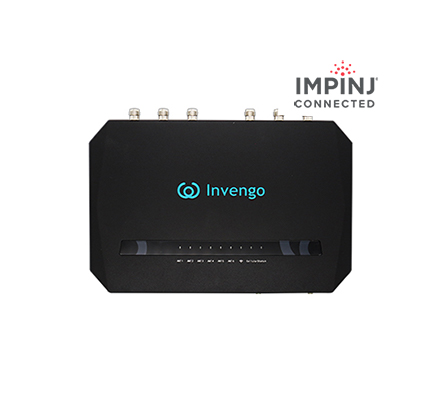
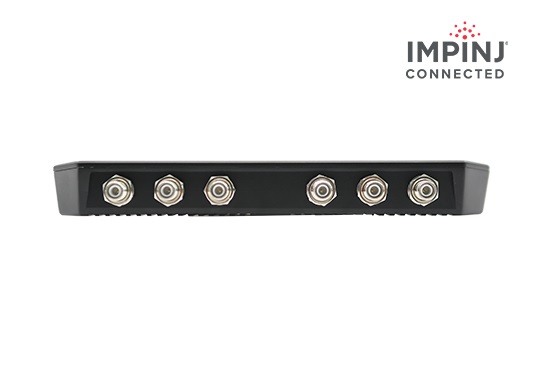
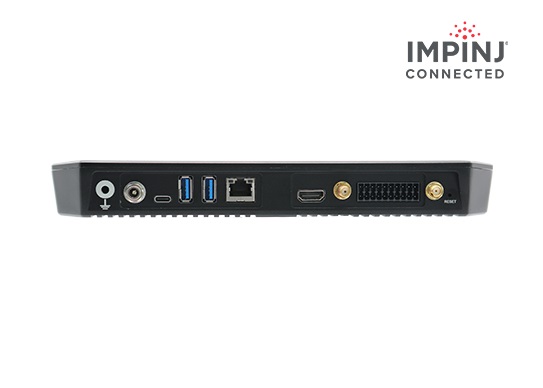
In contrast, fixed RFID readers provide automated, large-scale monitoring of goods, containers, or equipment without human intervention. For example, Invengo’s RAIN RFID reader can scan hundreds of tags simultaneously, making them ideal for warehouse and logistics environments.
Many organizations benefit from combining handheld mobility with fixed infrastructure. This hybrid approach allows staff to leverage the flexibility of mobile readers for ad-hoc tasks while ensuring continuous, automated tracking through fixed readers, maximizing both operational efficiency and accuracy.
Applications in Retail and Smart Inventory
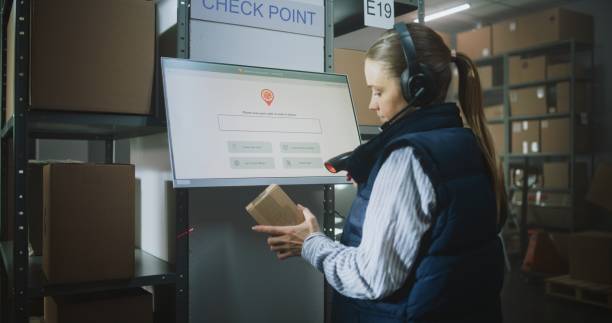
Retailers often rely on a blend of technologies to maintain efficient supply chain operations. A smartphone RFID reader helps staff perform quick cycle counts or check inventory on the sales floor, while fixed RFID readers enable real-time tracking of stock levels across entire warehouses or stores. Invengo’s RFID systems allow retailers to prevent shrinkage, enhance omnichannel fulfillment, and maintain accurate inventory without manual intervention. This combination empowers staff with mobility while ensuring that the backbone of the supply chain remains automated and reliable.
Healthcare and Patient-Centered Applications
In healthcare, the accuracy of asset and medication tracking can directly impact patient safety. A smartphone RFID reader may be used by medical staff for bedside verification, ensuring that the correct medication or equipment is used for each patient. Fixed RFID readers, on the other hand, provide hospitals with continuous monitoring of critical medical supplies, ensuring that nothing essential is misplaced or unaccounted for. Invengo’s solutions, certified under ISO 9001, ISO 14001, and ISO 27001 standards, give healthcare providers a dependable framework for both mobile and fixed RFID deployment, improving safety and efficiency simultaneously.
Logistics and Transportation Scenarios
In logistics and transportation, scalability is critical. A smartphone RFID reader can help staff quickly identify items or containers at specific points, but large-scale operations require fixed infrastructure. Invengo’s extensive experience in railway RFID applications, including one of the world’s largest implementations with China Rail, demonstrates the value of fixed readers in high-volume environments. Fixed readers can automatically identify and track massive flows of goods and equipment, while mobile readers supplement operations with flexible verification when needed. This combination ensures reliability, speed, and transparency across the entire logistics chain.
Libraries and Cultural Institutions
Libraries and cultural institutions also benefit from integrating both mobile and fixed RFID systems. A smartphone RFID reader makes cataloging and spot checks easy for staff, while fixed RFID readers enable automated check-in and check-out processes for books and artifacts. Invengo’s RFID technology ensures secure management of collections while creating a seamless experience for visitors. By integrating both technologies, institutions can maximize efficiency while preserving valuable cultural assets.