Email Us

UHF RFID Antennas Unveiled: What Is the Invisible Power That Connects Everything?

Table of Content [Hide]

    What is UHF RFID Antenna?


    At the heart of every RFID system lies the antenna, an often-overlooked component that plays a decisive role in how data is transmitted and captured. UHF RFID antennas serve as the bridge between tags and readers, ensuring that communication flows seamlessly across supply chains, libraries, healthcare facilities, and countless other industries. Without a robust UHF RFID antenna design, even the most advanced readers would struggle to achieve accurate identification. 


    Invengo, with its decades of RFID expertise among UHF antenna manufacturers, develops antennas that not only ensure consistent performance but also adapt to the demanding requirements of modern IoT ecosystems.


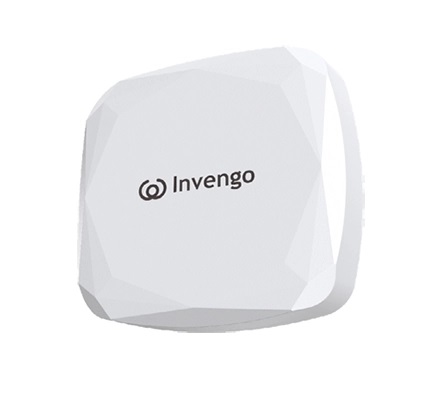
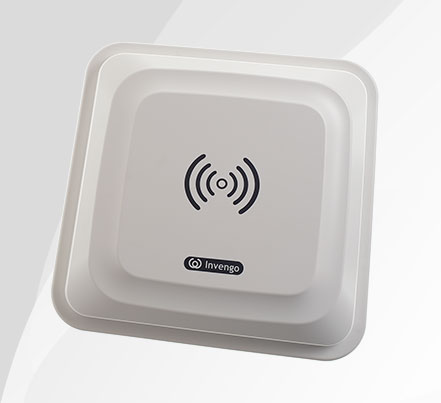
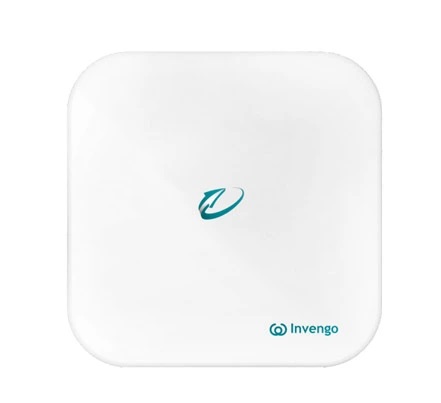
    INVENGO UHF RFID antennas


    How UHF RFID Antennas Drive Connectivity


    The invisible power of UHF RFID antenna comes from their ability to transmit and receive signals over a wide area, enabling real-time tracking and monitoring of tagged items. When deployed in retail, antennas installed at entry points or shelves enable automated inventory checks, while in transportation they allow for high-speed identification of vehicles or assets without disruption. Invengo leverages its 20+ years of RFID innovation and more than 500 patents to engineer antennas that maintain stability, reduce signal interference, and deliver accurate data capture even in challenging environments. This technical precision transforms antennas into critical tools for operational efficiency.


    UHF antenna manufacturers


    Comparing UHF RFID Antennas with Other RFID Antennas


    The performance of antennas differs across RFID frequency ranges, and understanding these differences highlights the unique strengths of UHF RFID antennas:


    Antenna Type

    Frequency Range

    Typical Use Case

    Key Advantage

    LF RFID Antennas

    30–300 kHz

    Animal tracking, access control

    Works well with liquids and metals

    HF RFID Antennas

    3–30 MHz

    Smart cards, ticketing, library systems

    Short-range but highly secure

    UHF RFID Antennas

    300 MHz–3 GHz

    Retail, logistics, healthcare, transport

    Long-range, high-speed identification

    The comparison clearly shows that UHF RFID antennas excel in large-scale, high-speed environments, offering unmatched flexibility and coverage. This is why they are the backbone of applications that require efficiency at scale, from smart supply chains to national railway systems.


    UHF antenna


    System Integration and Performance Advantages


    The effectiveness of UHF RFID antennas is not only determined by their range but also by how well they integrate with other system components. Antennas must align with readers, tags, and enterprise software to create a cohesive flow of data. Invengo’s antennas are engineered with this integration in mind, ensuring compatibility across its portfolio of readers and tags. This system-level approach maximizes efficiency and reliability. Moreover, Invengo’s ISO-certified manufacturing processes guarantee that each antenna meets international standards of quality, environmental responsibility, and information security.


    FAQs about UHF RFID Antenna


    What is UHF in RFID?

    UHF (Ultra High Frequency) in RFID refers to the frequency range of approximately 860–960 MHz used for wireless data transmission between tags and readers. It enables long read ranges, fast data transfer, and is widely used in logistics, retail, and asset tracking.


    What is the purpose of an antenna in a UHF RFID system?

    The antenna in a UHF RFID system is responsible for transmitting and receiving radio frequency signals between the reader and RFID tags. It determines the coverage area, signal strength, and overall system performance.


    How far can a UHF antenna reach?

    A typical UHF RFID system can achieve read ranges from 3 to 12 meters, depending on factors such as UHF antenna design, tag sensitivity, reader power, and environmental conditions. In optimized setups, the range can exceed 15 meters.


    What factors affect UHF RFID read range?

    Key factors include antenna gain and polarization, reader output power, tag quality, operating frequency regulations, and environmental interference such as metal surfaces or liquids that can absorb or reflect signals.


    What is the difference between UHF and HF RFID?

    UHF RFID operates at higher frequencies and offers longer read distances and faster data rates, while HF (13.56 MHz) provides shorter range but better performance near liquids and metals. UHF is preferred for bulk tracking, whereas HF is common in access control and payments.

    References
    Invengo RFID
    By INvengo
    TO KNOW MORE ABOUT INVENGO RFID, PLEASE CONTACT US!
    Our experts will solve them in no time.
    High-quality RFID for you! Whenever and whatever you need, we can provide the best solution for our customers.
    To Know Invengo More
    Address
    Invengo Technology Pte. Ltd 9 Kallang Place #07-01 Singapore 339154